Starting Brazilian Jiu-Jitsu as a Kid: The Right Age and Signs of Readiness
There's no single official starting age for kids' BJJ, but there is a clear way to tell when a child is actually ready for the mats.
By Shahen · August 5, 2026
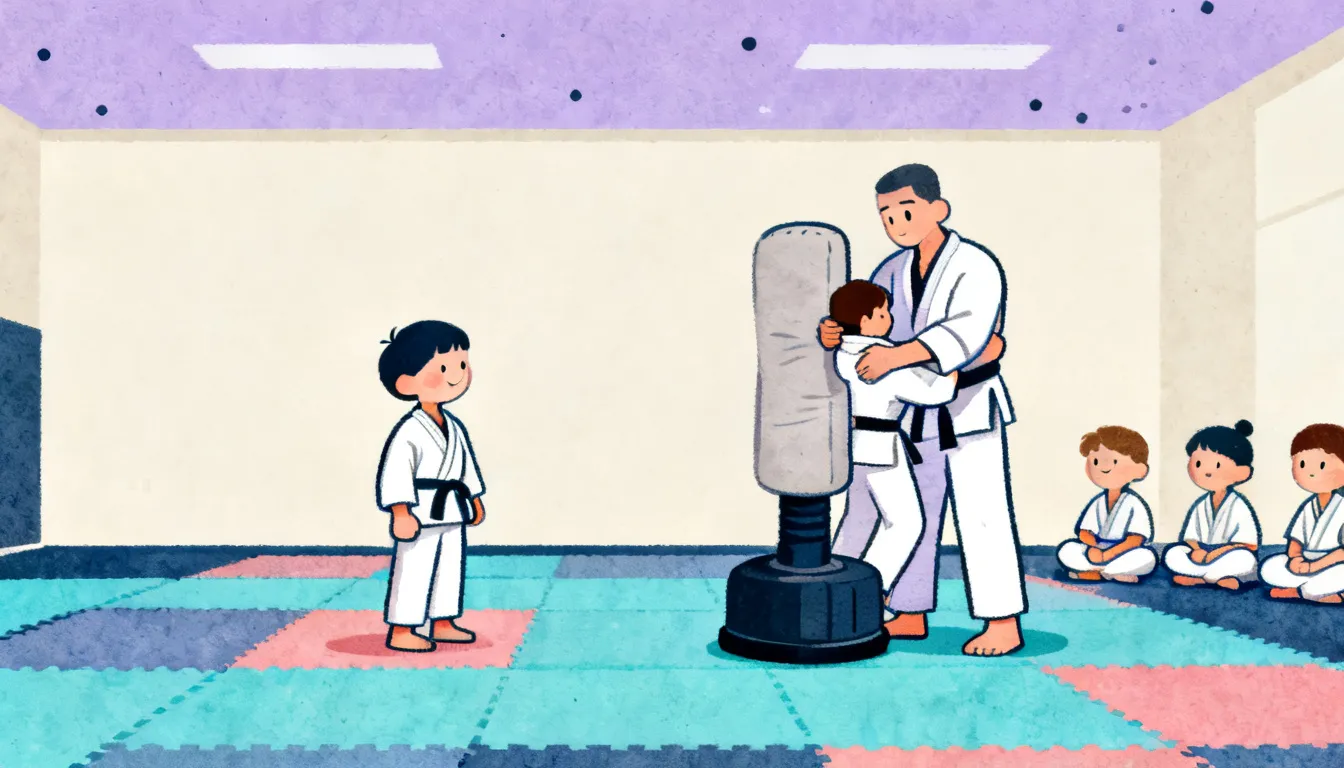
Kids as young as preschool age show up on the mats at Brazilian Jiu-Jitsu academies across New Jersey, but "old enough" isn't really about a birthday. Most academies welcome kids starting around age 4 to 6, building beginner classes around the youth belt and stripe framework the International Brazilian Jiu-Jitsu Federation sets for kids. There's no universal legal starting age here — the American Academy of Pediatrics notes there's no set age when a child is "ready" to spar, since readiness depends on following instruction and mastering basic forms first. In practice, it's the academy and the instructor in the room, not the calendar, who decide when a child is prepared for live contact.
What Brazilian Jiu-Jitsu is and who it's built for
BJJ is a ground-based grappling art built around control, leverage, and submissions rather than punches or kicks, and it's one of the popular martial arts forms families turn to according to the AAP. It's not a niche pursuit either: an estimated 8.7 million US kids take part in some form of martial arts every year, and a growing body of research points to real developmental upside. More broadly, over 6 million US children in martial arts programs show gains in social skills, discipline, respect, concentration, motor skills, and self-confidence. BJJ tends to click with kids who like close-contact problem-solving and physical puzzles more than striking, since technique and body control carry more weight than size or strength. Families weighing options can browse Brazilian Jiu-Jitsu programs for kids in our directory, or compare it against judo's throw-based grappling if a child seems drawn to takedowns as much as ground control.
How the kids belt and stripe system works
Every BJJ academy doesn't run promotions identically. IBJJF outlines three possible graduation structures based on degrees and stripes specifically for kids, and individual schools pick whichever system fits their program. That means stripe pacing and promotion criteria can genuinely look different from one academy to the next, so there's no single universal timetable for young students to measure themselves against. It's also worth knowing that a 2024 IBJJF update to minimum graduation periods applies only to adult athletes aged 18 and up, while the graduation periods for white and black belts remain unchanged, which keeps youth pacing stable regardless of adult-level rule shifts. Kids generally earn colored belts and stripes by passing skill tests rather than by time served alone, which mirrors belt-testing norms across martial arts more broadly.
How sparring, competition, and injury risk fit together
This is the part most parents actually want clarity on. Contact-based sparring and competitive training carry meaningfully higher injury risk than noncontact basic forms and technique drills. The same clinical report found that from 1990 through 2003, an estimated 128,400 US kids aged 17 and under were treated in emergency departments for martial arts-related injuries, with a mean age of 12.1 years — a data point worth weighing before rushing a child into live rolling. It's not only full competitive sparring that carries risk, either: practice contact drills carry elevated risk too, compared with noncontact forms. Given that, the AAP recommends delaying competition until a child has shown both physical and emotional maturity and demonstrated competency with noncontact moves and forms first. A good academy treats that as a floor, not a suggestion.
Recognizing readiness signs beyond a birthday
Because there's no fixed starting age, it helps to know what readiness actually looks like day to day. The AAP is explicit that children should learn basic forms first, regardless of how old they are, before any live grappling enters the picture. In practical terms, that shows up as a child following multi-step verbal instructions, tolerating close physical contact without distress, and sitting through a structured drill without losing focus for long stretches. Emotional regulation matters just as much as physical size here, since the AAP ties readiness for contact to demonstrated emotional maturity, not just skill — a bigger child who melts down under frustration may not be ready for live exchanges yet, while a smaller, calmer child might be. Because pacing varies so much by school, how a child actually behaves in a trial class is a far better readiness signal than comparing them to what an older sibling or a neighbor's kid was doing at the same age.
Choosing a program and instructor
The instructor matters as much as the curriculum. Proper supervision and training in understanding a child's limitations based on age, maturity, stature, and experience is paramount when vetting a program, and it's one of the first things worth asking about on a tour. Experienced instructors will teach at a level appropriate to a child's age and maturity, which the AAP frames as a core piece of injury prevention rather than an optional nicety. Ask directly how a school phases in contact: noncontact drills first, then supervised positional work, then live rolling, rather than assuming every class looks the same across age groups. Before enrolling, watch a trial class and see how the instructor manages group size, pacing, and individual attention across kids of different ages and skill levels, since that's often a better predictor of fit than anything on a website.
What the first few months of class actually look like
Early sessions typically lean on warm-ups, solo movement drills, and cooperative technique repetition rather than anything resembling live sparring. Positional sparring, starting from a controlled position with a set goal, is usually introduced gradually and only once basic technique is solid, in keeping with the AAP's guidance to delay contact until competency is demonstrated. Kids often track progress through stripes on their belt rather than full belt promotions, which gives them frequent small milestones to stay motivated between bigger gradings. Expect uneven weeks along the way: some kids pick up technique quickly but need more time adjusting to the physical closeness grappling requires, and that unevenness is a normal part of the process rather than a red flag.
Frequently asked questions
Is there a minimum age requirement to start Brazilian Jiu-Jitsu?
What gear does a child need for a first Brazilian Jiu-Jitsu class?
How often should a beginner-age child train BJJ each week?
Can a child switch to BJJ from another martial art without falling behind?
Do boys and girls train together in kids' BJJ classes?
Shahen
Written by Shahen, founder of ByndBell and a New Jersey parent. ByndBell maintains a directory of kids' activity programs across the US, and the listing data cited here comes from that directory.
Shahen is not a pediatrician, coach, or child-development professional — claims about ages, safety, and development in these articles are sourced to named authorities and linked inline.